Robotic, Laser Piles Specialist, Laparoscopic Hernia Surgery in Pune

Home // What is Robotic Surgery
The field of modern medicine is being transformed by robotic surgery because it renders complicated surgery less dangerous, precise, and non-invasive. This new technology has revolutionised the manner in which surgical operations are performed over the last ten years, with patients healing very fast and with very few pains and better outcomes. In this part, we will describe what robotic surgery is, how it operates, benefits and shortcomings, and why it is slowly gaining popularity among the surgical fraternity and patients.
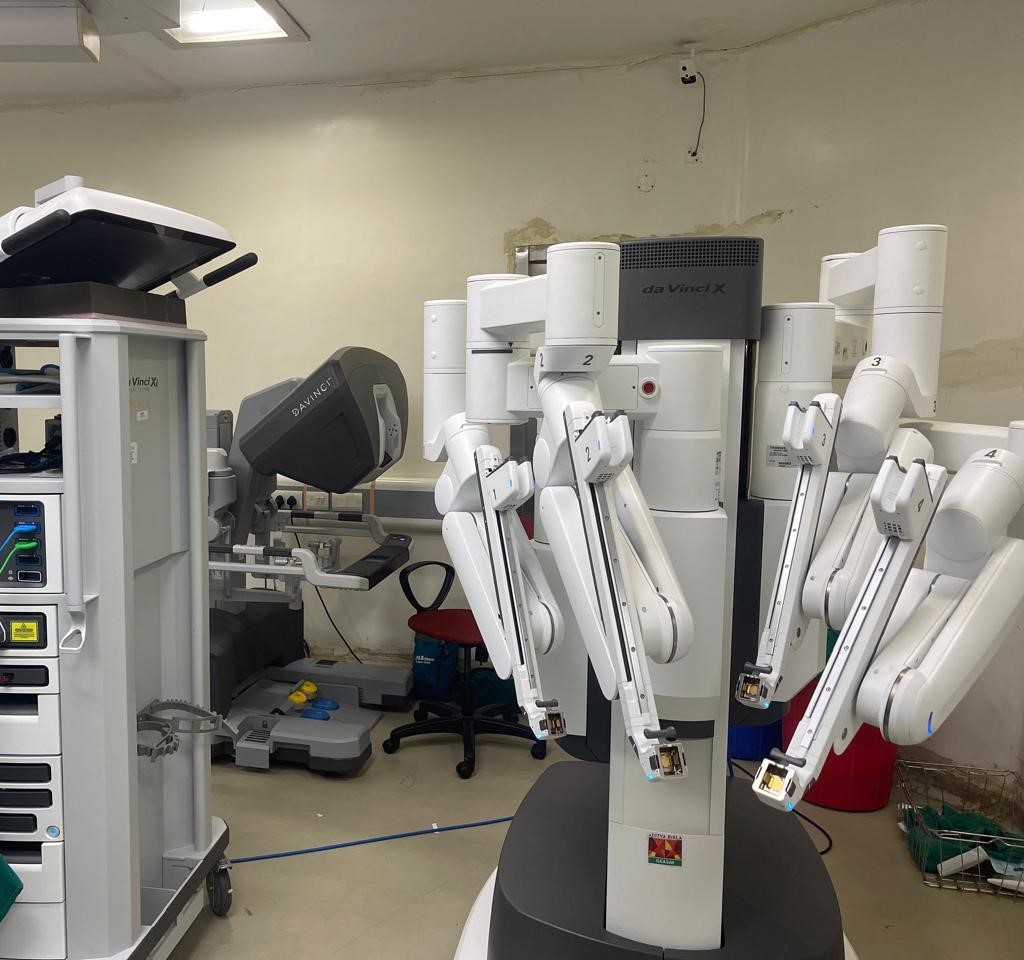
Robot-assisted surgery or robotic surgery is a type of minimally invasive surgery whereby robots assist surgeons in performing the surgery in a more precise manner. Robotic surgery, unlike the older open surgery method, which has a large incision, has small incisions that do not exceed an inch and introduces robotic instruments and a high-definition camera into the body. The surgeons operate the robotic system through a console, which relates their hand movements to precise movements of the instruments in the body of the patient. This allows for greater agility, steadiness, and accuracy than conventional surgery procedures.
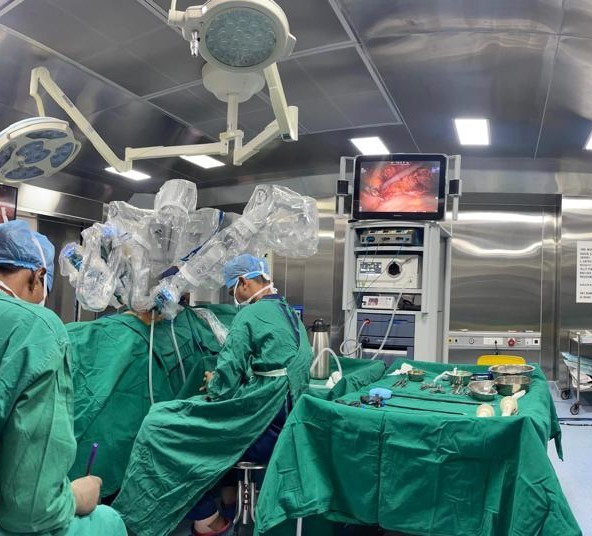
Robot surgery is less risky in case it is properly prepared and can allow the patient to recuperate in less time. Here's what you need to know:
1. Full Medical Examination - Patients are estimated to take all the recommended tests and examinations prior to surgery. This helps the surgeon to obtain the general health of the patient and formulate the procedure in line with that.
2. Medication Control - Take the medication as prescribed by your surgeon, especially blood thinners or supplements. Medication can reduce surgery risks by modifying or discontinuing certain medicines.
3. Lifestyle and Health Optimisation- A healthy lifestyle is useful in optimising surgical outcomes and recovery. Quitting smoking, eating healthily and engaging in physical activities will ensure that your body is fit to go through with the procedure.
4. Preoperative Instructions - Be careful with the regulation of fasting and all other information that is stated by your surgical personnel. Through compliance, the safety of the anaesthesia is guaranteed as well as reducing complications during the operation.
Robotic surgery is a surgery that involves the use of the latest technology and also the expertise of the surgeon. It is normally described as a process which is defined by the following:
1. Preoperative Planning - Before the surgery, the surgeon studies the medical history of a patient, studies pictures and analyses them to design the surgical strategy and make it accurate and safe.
2. Anaesthesia - The patient is administered general anaesthesia so that he/she will be completely unconscious during the procedure and in pain.
3. Minimal Incisions - The robotic instruments and high-definition camera performance are done using small cuts of less than an inch that minimise tissue damage.
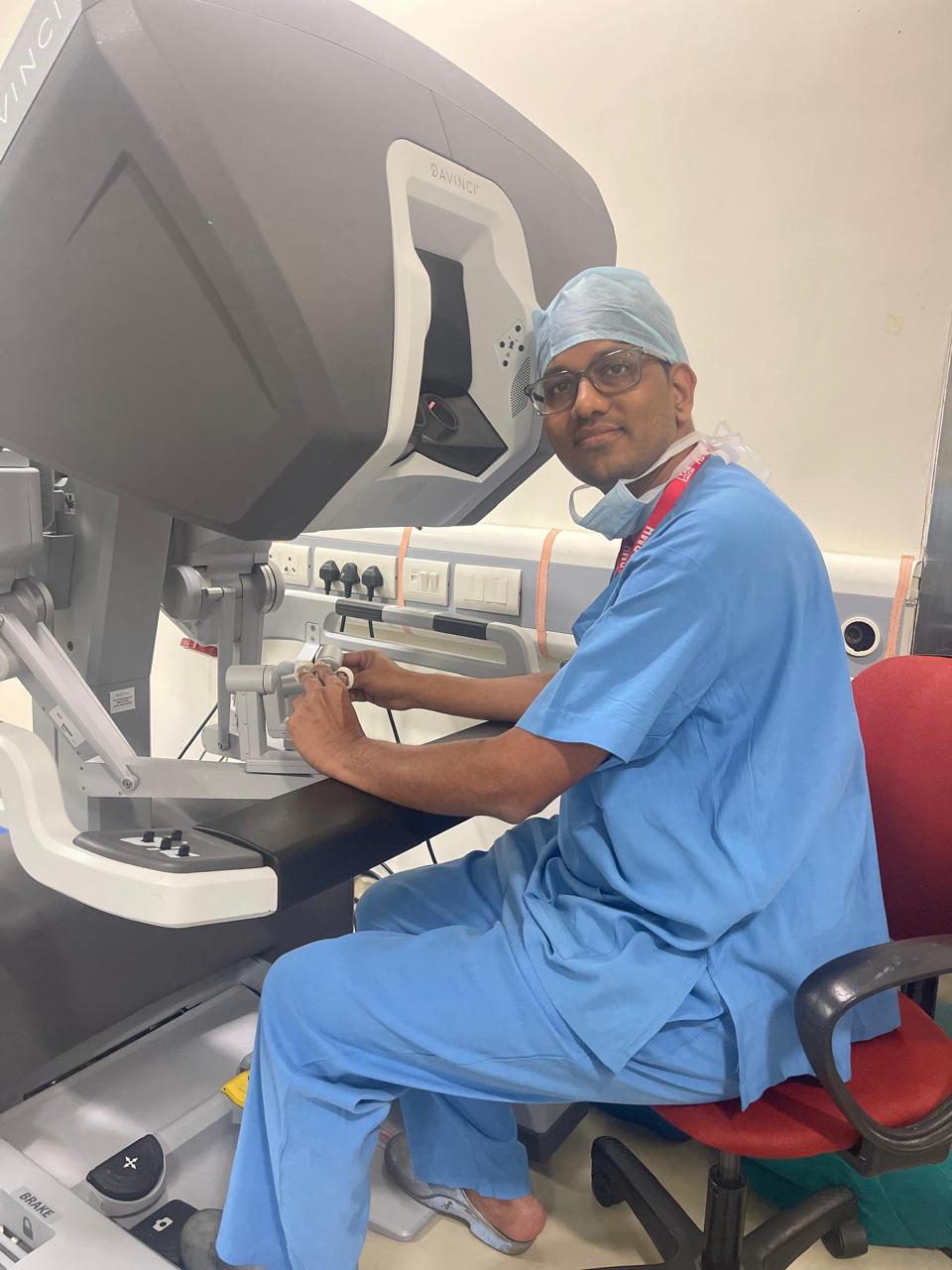
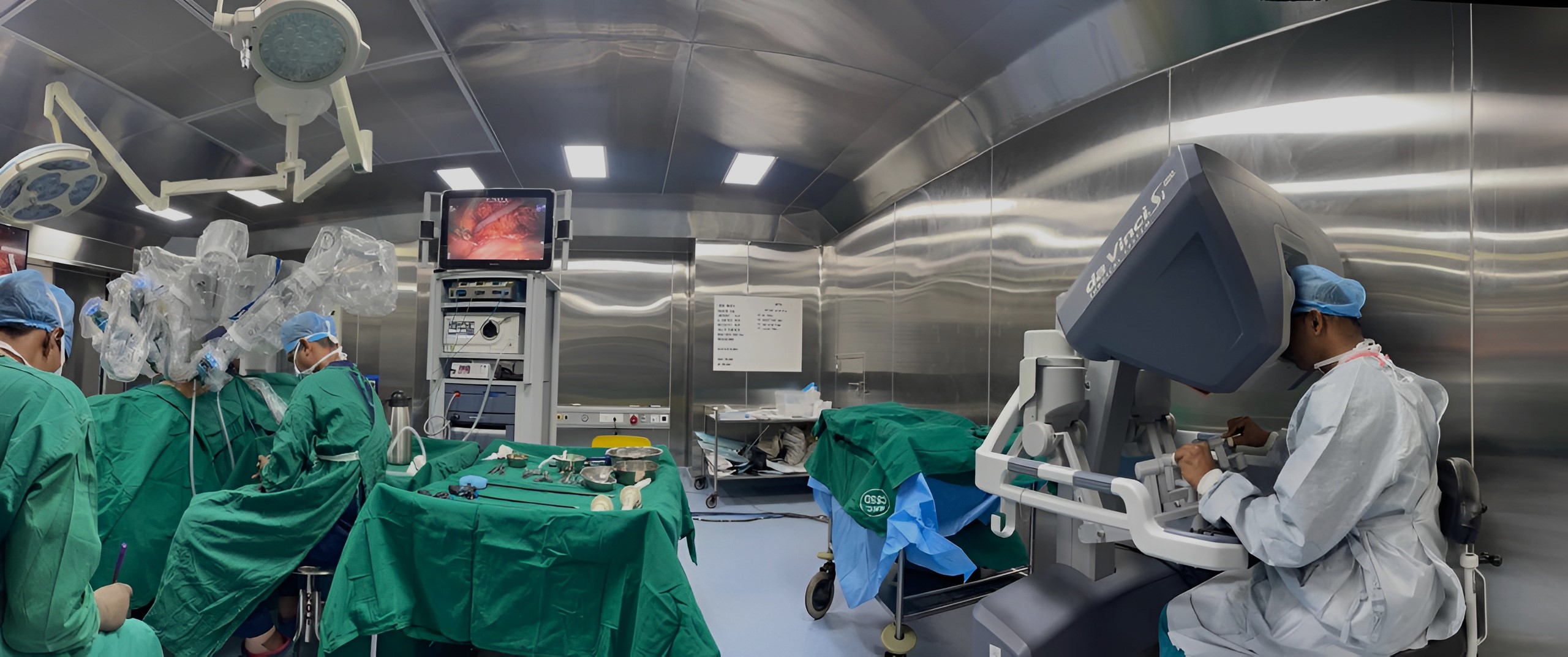
4. Console Operation- The surgeon sits at a special console and the motions of his hands and fingers are controlled by him and transmitted into the body in precise movements to the robotic arms.
5. Surgical Procedure - The surgeon will be able to do a more nimble and accurate operation on the patient by the help of the robotic instruments that will enable the surgeon to do complex movements that cannot be done with conventional surgery.
6. Closure and Recovery - After completing the work, the equipment is removed and the small holes are sewn and the patient monitored in the recovery area in order to make the process risk-free and a smooth post-operative operation.
Robotic surgery is a highly heterogeneous technology, and it is used in numerous medical areas to perform some complex operations without creating much invasiveness. It is applied in the most popular applications, which are:
1. Urology - The robotic systems are used during the procedures of removing the prostate, kidney, and bladder, where one can make precise and delicate movements.
2. Gynaecology - Hysterectomy, myomectomy, and treatment of endometriosis scars are some of the areas of minimum incision and shorter recovery.
3. Cardiology - Heart surgery, like repairing the heart valves and bypass surgery, can be done more precisely and less surgically invasive.
4. General Surgery - The robot is applied in the extraction of the gallbladder, hernias, and colorectal surgeries, which is more specific and patient-friendly.
5. Orthopaedic Surgery - Robotically controlled joint replacement and spine surgery are performed so as to produce better alignment, reduced complications, and shorter periods.
Robotic surgery has numerous advantages over conventional and laparoscopic surgeries, and that is why it is a very desirable surgery to both patients and surgeons. The primary benefits of it are as follows:
1 Minimally Invasive Surgeries - The surgery on the robot involves the least invasion of the body, thereby reducing pain and risk of infection. Smaller cuts also bring about minimal scarring and faster healing.
2 Increased Accuracy - The robot system offers the surgeons high-definition 3D images and operative manageability of instruments. This allows the use of delicate procedures performed in a safer and more precise manner.
3 Minor Loss of Blood - The robotic tools lead to fewer damages on tissues, hence minimising bleeding during the surgery. This removes the need to receive blood transfusions and assists in recuperating.
4 Reduced length of stay - The patients tend to recover faster and can leave the hospital sooner than during normal surgery. This also comes in handy regarding the reduction in total medical costs.
5 Quick recovery - Small incisions and minimal tissue damage are what lead to the reduction of postoperative pain. Patients are able to resume their normal life and work within a reduced duration of time.
6 Better surgical outcomes - With the assistance of robotic surgery, it is possible to manage complicated surgeries more accurately. This typically is associated with improved outcomes, reduced morbidity, and patient satisfaction.
Robotic surgery is comparatively harmless and efficient; however, there are potential risks and considerations that need to be considered before this operation:
1 Anaesthesia-Related Risks - Breathing complications or allergy are the most likely complications associated with general anaesthesia. This is because the continuity of monitoring surgery helps in preventing such risks.
2 Infection or Bleeding - Although robotic surgery has minimised the chances of damaging the tissues, there still is a small chance of infection or bleeding during the incision. Proper postoperative care minimises these risks.
3 Technical or Equipment Problems - Rare technical breakdowns in robots would occur during surgery. Doctors in such cases are able to resort to traditional surgery to avoid risk.
4 Availability and Cost - Robotic surgery requires special equipment and trained surgeons, and these may not be readily available. The process can also be expensive compared to traditional operations due to the influence of high technology.
Robotic surgery has been discovered to heal faster and more easily than traditional surgery:
In several days, patients can resume light activities.
The post-operative pain is also usually lessened, which leads to reduced reliance on pain medication.
Minor surgery has low scarring and an improved cosmetic appearance.
Less time spent in the hospital allows the patients to spend time at home, where they are familiar.
The steps to be followed after the surgery, a healthy lifestyle, and appointment follow-ups are the processes that lead to the best healing.
Robotic surgery is a new technology in medicine and is accurate, less invasive, and reduces the duration of healing. It is linked with risks and a high cost, but its benefits render it an excellent alternative to the patients and the surgeons. When you require an operation, please see a qualified surgeon such as Dr. Shrikant Kurhade so that you can know whether robotic surgery will be useful in your case and will benefit from the new technology.
Fill out the form below to start a conversation with us on WhatsApp.