Home || Robotic Bariatric Surgery
What is Robotic Weight Loss Surgery?
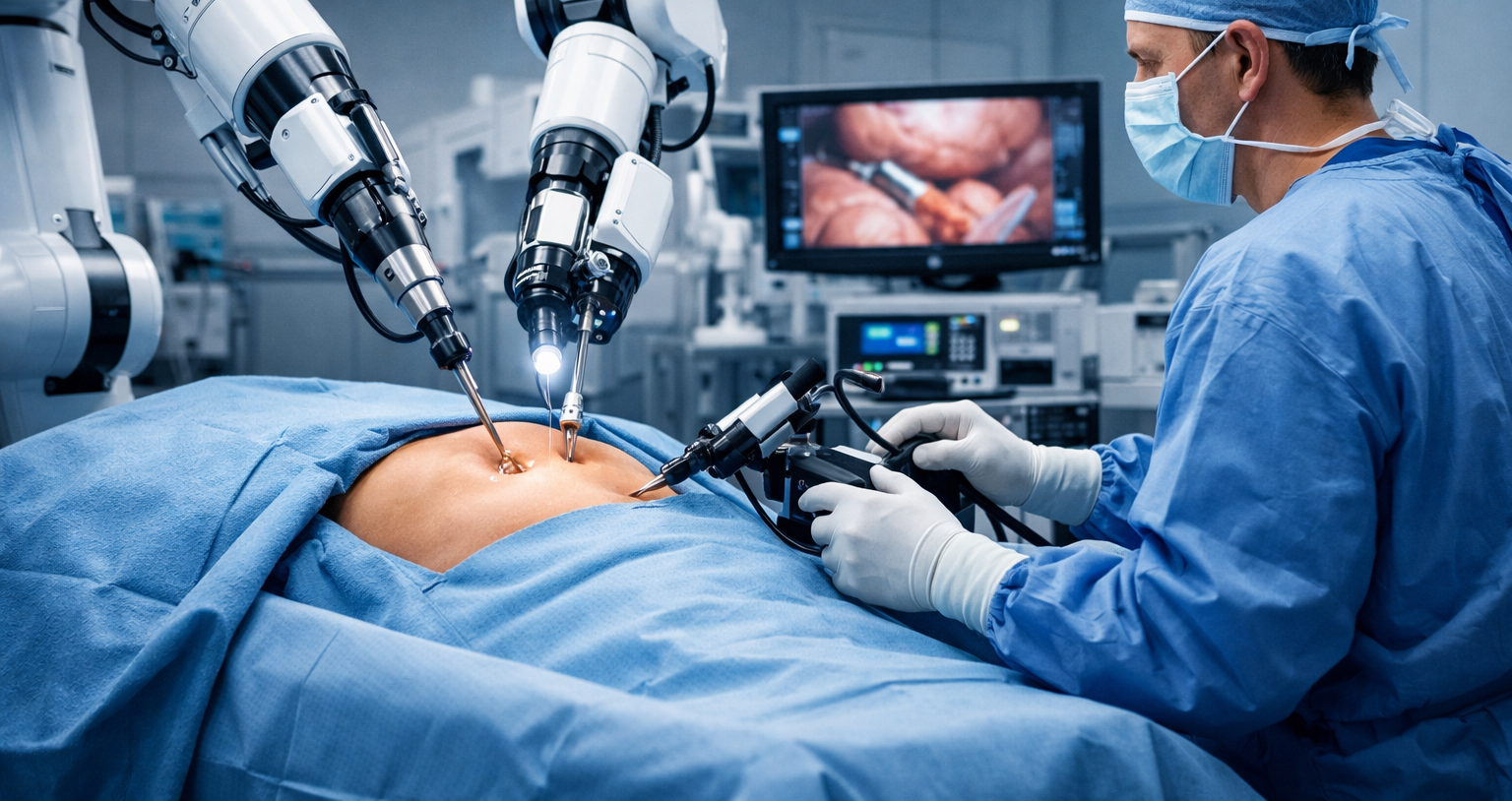
Bariatric surgery, also known as weight loss surgery, helps people who have obesity-related illnesses to lose weight. If other weight loss methods have not worked, your doctor might recommend robotic bariatric surgery, which can help treat obesity. When surgeons employ robotic systems and tools to increase the accuracy and decrease the damage – it is called a robotic surgery. If the goal is weight loss aid, then the procedure is called ‘robotic bariatric surgery’.
What are the Types of Robotic Bariatric Surgery?
There are various procedures that can be done based on your goal. Bariatric surgeries eventually limit your calorie intake and help you drop excess fat. The ideal procedure for you will rely on a number of variables, such as your body mass index (BMI), chronic conditions you may have, and personal preferences. It is essential to get advice from a skilled bariatric surgeon, and trusted establishments like KKCare Hospital.
1 . Restrictive Method: this procedure restricts the amount of food you consume in one sitting.
-
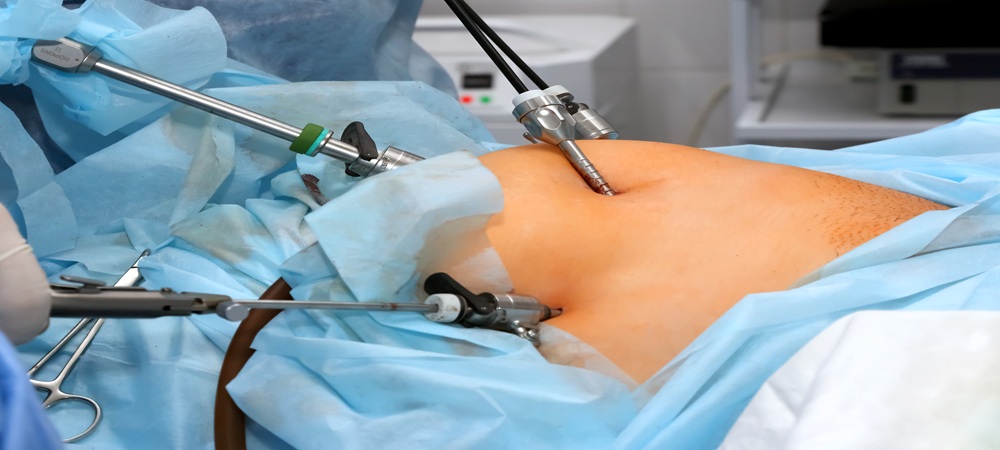
Gastric sleeve : Operated via laparoscopy, this surgery only allows food to fill into 20% of your stomach. The surgeon creates a banana shaped sleeve, folding 80% of the stomach so it can’t participate in holding food. The recovery period is relatively short and this procedure is irreversible.
-
Gastric Band : A silicone band is wrapped around a part of your stomach, reducing your intake capacity, This procedure is reversible.
2 . Limiting Absorption: Surgeons reroute a part of your intestine such that food is not completely absorbed by the digestive enzymes which lead to weight loss.
-
Gastric Bypass :This surgery is not typically reversible. A larger part of the stomach is sealed off, and a part of your small intestine is directly connected to the available small pouch of the stomach.
So the food bypasses most of your stomach lining and directly enters the small intestine.
3 . Bilio-Pancreatic Diversion with Duodenal Switch (BPD-DS):
-
This laparoscopic surgery combines both restriction and malabsorption. A portion of the stomach is removed, and the small intestine is rerouted to bypass most of the duodenum (first part of the small intestine) and the stomach. This limits your calorie intake and leads to weight loss.
Benefits of Robotic Weight Loss Surgery
Rather than being a miracle cure, robotic bariatric surgery is a tool. Long-term success necessitates perseverance, a dedication to a healthy lifestyle, and continuous assistance from medical experts.
At KKCare Hospital, our program of robotic bariatric surgery will help you reach your weight loss target. We will walk you through every step of the process, from pre-operative consultations to post-operative rehabilitation.
Some procedures like the Gastric Band, are reversible as well as adjustable. Such a procedure could greatly help people who have been struggling long-term but have had no success in losing weight sustainably.
Who is a candidate for Robotic Bariatric Surgery?
The medical criteria to qualify for bariatric surgery include:
1 . Body Mass Index (BMI) greater than 40
2 . BMI greater than 35, with at least one medical problem exacerbated by weight, such as:
-
Diabetes or insulin resistance
-
High Blood Pressure
-
Sleep Apnea
-
GERD (Reflux Disease)
-
High Cholesterol
-
Pressure on joints due to obesity
Pros and Cons of Robotic Weight Loss Surgery
Compared to traditional open surgeries, the benefits of robotic bariatric surgery are:
-
Minimal scarring
-
Shorter recovery period
-
Lower risk of adverse side effects
-
Less pain
-
Quicker return to normalcy
The only downside to robotic surgery is the cost of the equipment. To the patient it might be a little more expensive than open surgery but the benefits far outweigh this one aspect.
An easy recovery with minimal pain is most desirable, which is made possible by robotic bariatric surgery.
Why Choose KK Care Clinic for Robotic Bariatric Surgery?
KKCare Hospital offers robotic bariatric surgery to remove obesity-related problems from your life. Under the expertise of Dr. Shrikant Kurhade, highly skilled bariatric surgeon in Pune, our team of professionals provides a thorough approach to weight management. personalized
Beyond surgery, the KKCare team gives you personalised consultations, pre- and post-operative assistance, and pre- and advice on lifestyle changes. Being your healthiest and happiest self can't be dragged down by obesity. Schedule an appointment at KKCare Hospital today to begin your journey towards a better, more fulfilling life.
Frequently Asked Questions
Robotic Weight loss surgery uses robotic systems to assist surgeons in performing weight loss procedures with enhanced precision and control. It offers smaller incisions, reduced pain, and quicker recovery compared to traditional methods.
Robotic gastric bypass surgery typically takes about 2 to 4 hours, depending on the complexity of the procedure and individual patient factors.
Yes, robotic gastric bypass surgery is generally considered safe. It benefits from advanced technology that allows for greater precision, reduced blood loss, and faster recovery, though, as with any surgery, risks and complications can occur.
The safest weight loss surgery varies depending on individual health conditions. Generally, laparoscopic procedures like sleeve gastrectomy and gastric bypass are considered safe with low complication rates, but it’s important to consult with a specialist to determine the best option for your specific needs.
Yes, many people return to a normal lifestyle after bariatric surgery. It typically involves adopting a healthier diet and regular exercise, and following post-surgery guidelines to ensure long-term success and well-being.
Over time, some patients may experience mild expansion of the stomach pouch, but this is usually managed with lifestyle and dietary adjustments. Adhering to post-surgery guidelines helps maintain the effectiveness of the surgery.
Many patients experience an improved quality of life after robotic bariatric surgery, including better physical health, increased mobility, and enhanced emotional well-being. Long-term success depends on following a healthy lifestyle and ongoing medical support.