-
Robotic, Laser Piles Specialist, Laparoscopic Hernia Surgery in Pune
Home // Appendix Treatment
Appendix Treatment in Pune
Dr Shrikant Kurhade is one of the Best Doctor for Appendix Treatment in Pune, PCMC, We offer safe, effective, and prompt recovery of those who have appendicitis or other diseases. We possess competent personnel, trained in minimal invasive laparoscopic surgery and non-surgical management of early cases, which we approach personally to the needs of each patient.
We focus on comfort, safety and full recovery with modern technology, equipment and patient-centred care, and hence are a good choice of quality appendix care.
About Appendix Surgery
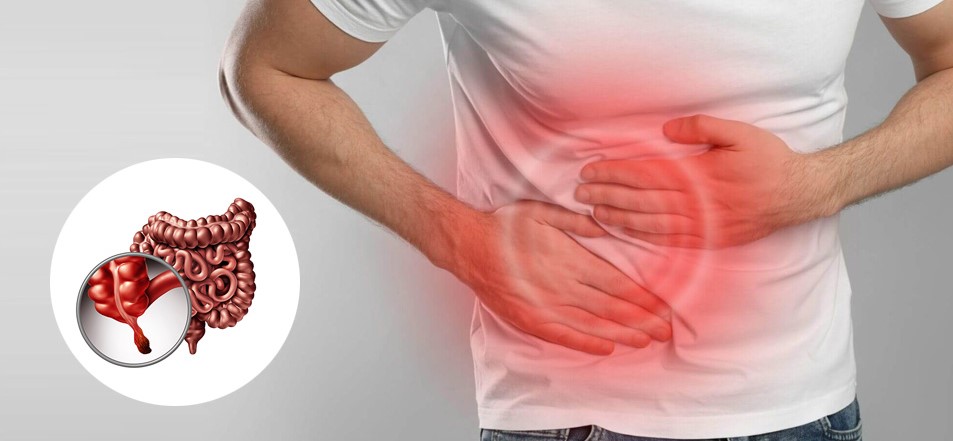
Appendix Surgery or appendectomy is a safe and effective surgery involving the extraction of an inflamed or infected appendix. Appendix is a small gland in the lower right abdomen and when untreated in case of appendicitis is likely to result in acute pain and complications.
We have minimally invasive laparoscopic surgery at our clinic that guarantees rapid healing and reduced pain and open surgery in complicated cases. Appendix surgery in Pune done at an early age is a promise of complete healing and the prevention of serious illnesses.
Comprehensive Appendix Treatment Approach
To perform Appendix Surgery in Pune, PCMC, we provide safe and effective Appendix Treatment through a patient-focused, step-by-step approach:
- 1. Consultation & Diagnosis : Thorough examination using sophisticated equipment such as ultrasound, CT and blood tests to create a precise diagnosis.
- 2. Individualized Treatment Plan : Personalized solutions such as laparoscopic surgery or non-surgical treatment of early appendicitis.
- 3. Minimally Invasive Surgery : Laparoscopic procedures guarantee lesser incisions, fewer pains, shorter healing time and minimal problems.
- 4. Post-Treatment Care : Medication, diet, and follow-ups advice to facilitate a smooth healing process and eliminate recurrence.
Types of Appendix Surgery
At our clinic, we offer different types of appendix surgery based on the patient's condition, ensuring safe treatment and the most suitable surgical approach for effective recovery.
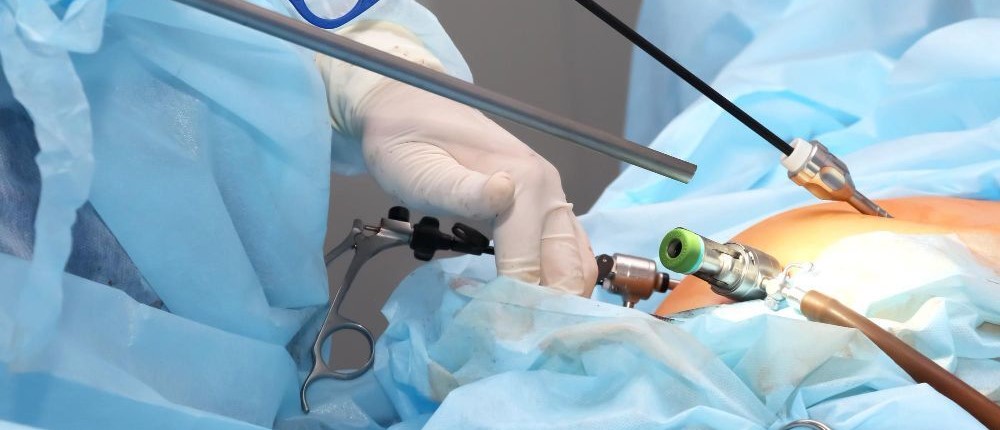
1. Laparoscopic Appendectomy (Minimally Invasive):This procedure involves 2-4 small cuts in the abdomen and may be used by physicians to remove the appendix using camera and instruments. Laparoscopic Appendix Surgery is painless and fast to heal, with minimal scarring and requires less hospitalization so it is appropriate in most cases of acute appendicitis.
2. Open Appendectomy:A bigger incision is drawn at the lower right abdomen to remove the appendix. It is normally applied in complex situations like ruptured appendix, abscess, or previous operations on the abdomen.
3. Robotic-Assisted Appendectomy:It is a new advanced type of laparoscopic surgery in which the surgeon operates robotic arms in order to remove the appendix. It enables greater precision and control particularly beneficial in tricky or sensitive situations.
Signs That Require Immediate Appendicitis Treatment
- Swelling in the Lower Right Abdomen The observation of swelling or the presence of a hard tender spot could indicate serious inflammation or abscess and thus immediate treatment is advised.
- Sudden, Severe Abdominal Pain Acute pain beginning in the area of the navel and moving to the lower right abdomen is a major symptom of appendicitis and must be treated immediately.
- Persistent Nausea or Vomiting Continued nausea or vomiting that is accompanied by pain in the stomach is possible to mean that there is an appendix infection.
- High Fever with Abdominal Tenderness The unexpected appearance of a fever and the lower right abdomen tenderness is an indication of inflammation that requires urgent attention.
Causes & Risk Factors of Appendicitis
Causes of AppendicitisAppendicitis is a condition that arises when the appendix is inflamed usually by blockage or infection. Common causes include:
- Obstruction : The most common reason is an obstruction, usually caused by a fecalith (solid stool), that lets bacteria proliferate at a rapid rate within the appendix.
- Lymphoid Hyperplasia The appendix wall can swell up, likely due to infection by other body parts.
- Infections Gastrointestinal viruses or bacteria may cause inflammation of the appendix resulting in swelling and obstruction.
- Other ObstructionsOther causes are less prevalent and may be parasites, tumours or foreign.
Risk Factors for AppendicitisCertain factors can increase the likelihood of developing appendicitis:
- Age Most often occurs among individuals aged between 10 and 30 years.
- Gender The risk is a little higher among males (8.6%) than among females (6.7%).
- DietDiets with low fiber and high fat may be a known contributor to constipation and predisposition.
- Family History Previous history of appendicitis in the family can create an exposure.
- Other Causes It can also be caused by conditions such as inflammatory bowel disease (e.g. Crohn's disease) or abdominal trauma.
Why Choose Us?
- Cutting-edge Technology We employ modern laparoscopic and robotic-assisted apparatus to allow precise diagnosis and very invasive operations, which have quicker recovery.
- Proficient Surgical Team For Appendix Treatment in Pune, PCMC Dr. Shrikant Kurhade, who is a specialist in appendectomy and laparoscopy surgeries, heads our well-trained team, which guarantees the safety and accuracy of the treatment.
- Patient-Centred Care We provide tailored treatment plans and concerned guidance, prioritizing your comfort, safety, and peace of mind.
- Proven Results Having a great history of successful appendix procedures, we guarantee good results, reduce the length of stay in hospitals and ensure minimal complications.
Dr Shrikant Kurhade is one of the renowned specialist for Appendix Treatment in Pune, PCMC, with 18+ years of expertise we We ensure an expedited and painless recovery process with our patient-focused care and good use of technology and professionalism in surgery. We tailor each treatment to the requirements of individuals either in the form of the minimum invasive laparoscopic surgery or early non-surgical intervention. We are sure to provide you with an effective, reliable and caring service with all conditions related to the appendix as we have a skilled team and a proven record.
Contact with us today and book your consultation.
FAQ's
Laparoscopic surgery takes between 1 and 2 weeks to recover after surgery, whereas open surgery might take up to 4-6 weeks to heal completely.
In the majority of cases, appendectomy is necessary, though antibiotic therapy is sometimes a treatment option in case of early-stage appendicitis.
Although prevention of appendicitis may be incomprehensive, diet high in fiber, healthy lifestyle, and early medical care can help diminish the risk of abdominal pain.
Get Consultation
Fill out the form below to start a conversation with us on WhatsApp.
Get Consultation
Fill out the form below to start a conversation with us on WhatsApp.