Home || Robotic Fundoplication Surgery
What is Robotic Fundoplication?
A robotic nissen fundoplication is a surgery to treat gastroesophageal reflux disease, or GERD. During the procedure, a surgeon creates a sphincter at the bottom of the oesophagus to prevent acid reflux. Most people notice a significant decrease in acid reflux symptoms after the surgery.
Observe your symptoms and talk to your doctor for a possibility of robotic fundoplication if the symptoms have been persistent long-term.
Benefits of Robotic Fundoplication Surgery
When undergoing robotic nissen fundoplication surgery, things are relatively easier for both the surgeon and the patient.
robotic systems make it easier for doctors to reach your organs as they operate.
Minimally Invasive surgery uses a high definition 3D vision system with flexible instruments that enable your surgeon to operate with enhanced precision.
Robotic fundoplication allows for a faster recovery and less visible scarring than an open procedure.
Explanation of how robotic surgery offers a modern solution
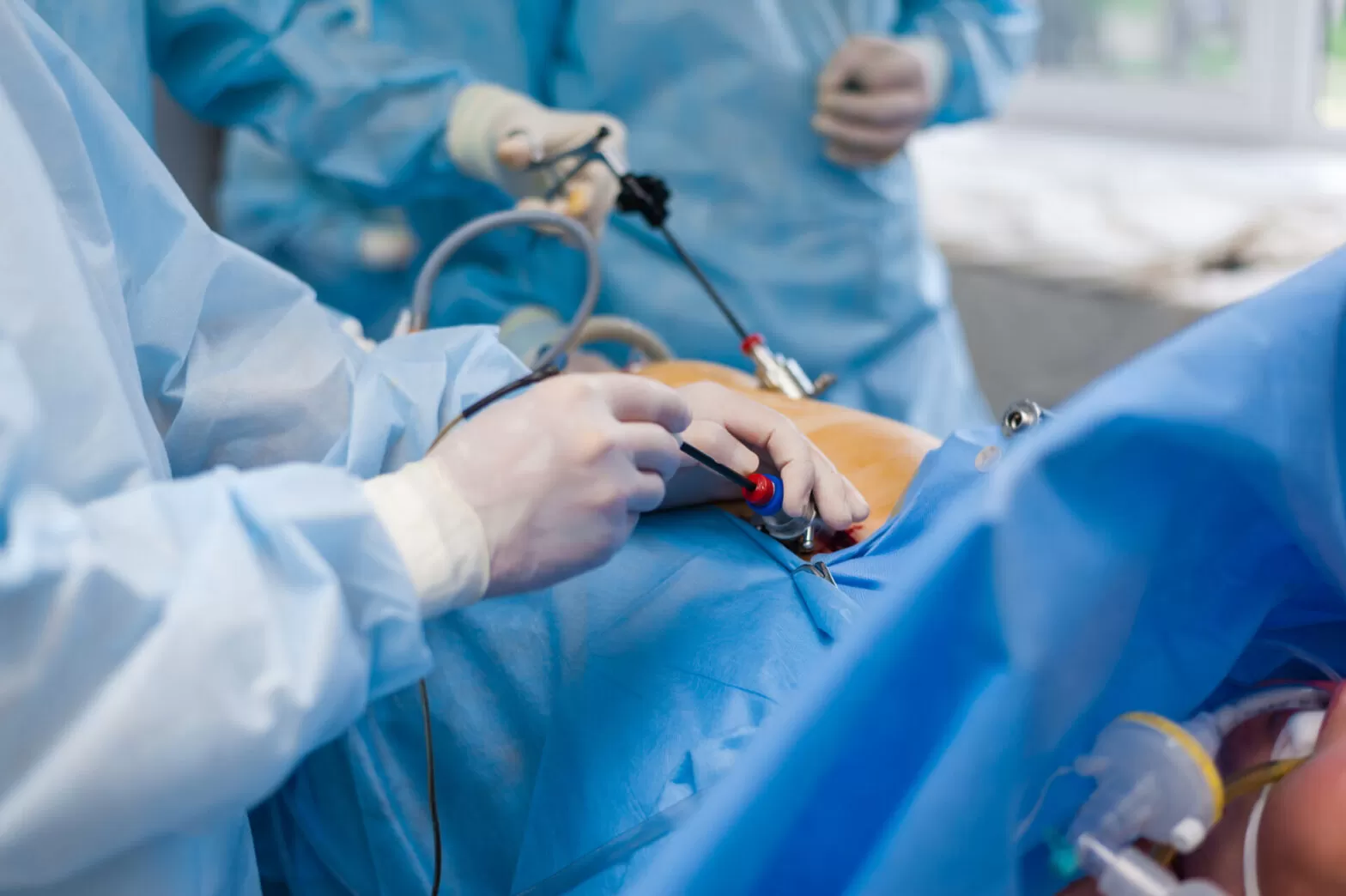
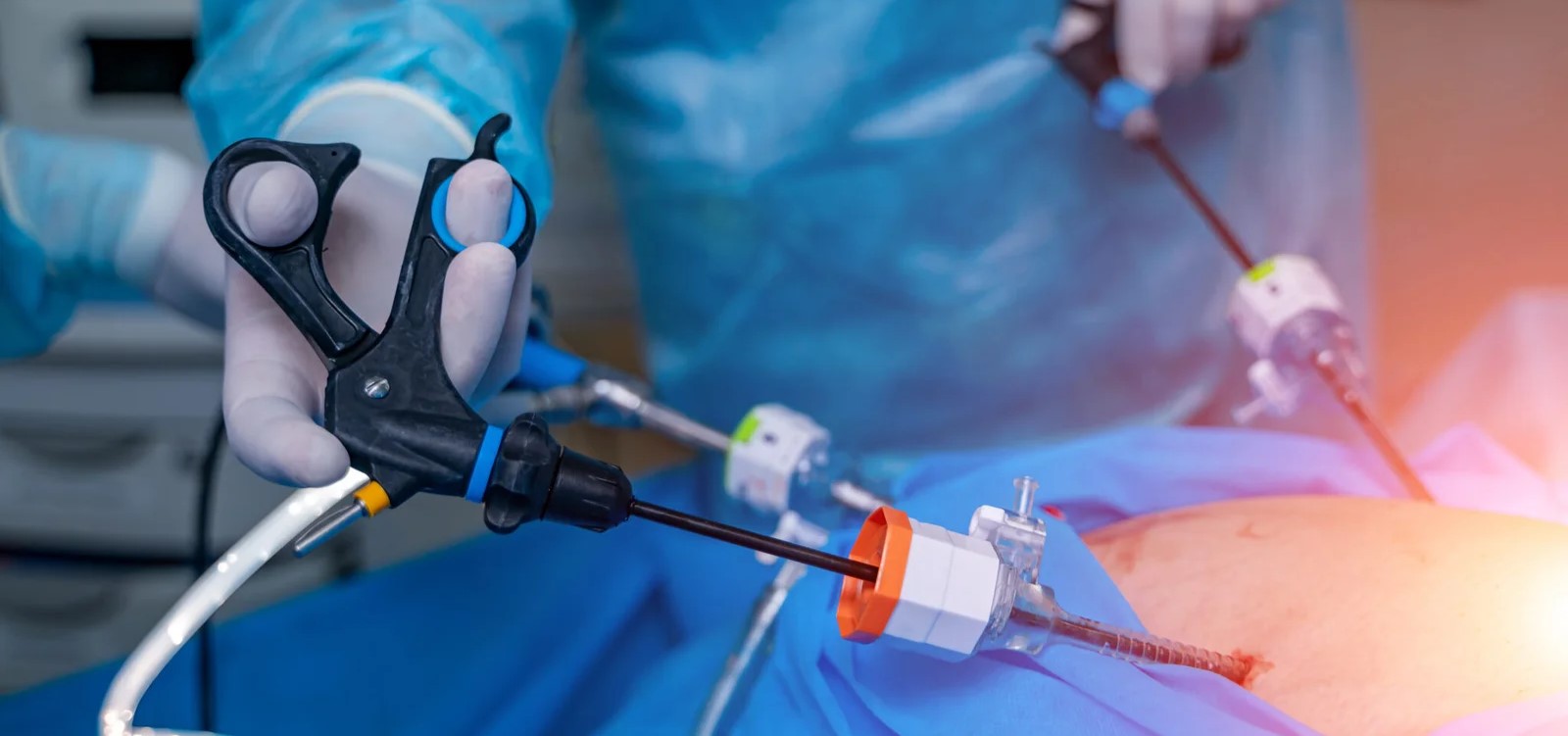
New advancements in minimally invasive surgeries have led to the use of robotic systems for Nissen fundoplications. A robotic assisted surgery uses small incisions—about 1-2 cm—to allow specially designed instruments and a camera to enter the abdomen. This advanced technology allows surgeons to control the instruments with a wide range of motion while being guided with magnified, high-definition imagery of the problem area.
Patients are anxious to get back to normal life and activities. In most cases, patients resume normal day-to-day routines within the first week.
As the oesophagus heals, patients are on a liquid diet for the first week, helping to control breathing issues and excess gas after the procedure. There may be tenderness or pain in the incision sites and difficulty swallowing immediately after surgery.
Symptoms and complications associated with GERD
Some people are born with a naturally weak sphincter (LES). For others, however, fatty and spicy foods, certain types of medication, tight clothing, smoking, drinking alcohol, vigorous exercise or changes in body position may cause the LES to relax, causing reflux. A hiatal hernia may be present in many patients who suffer from GERD, but may not cause symptoms of heartburn.
The most common symptoms of GERD include:
-
Heartburn and acid reflux most often occuring 30 to 60 minutes after eating that worsens at night
-
Chest pain
-
Nausea
-
Difficulty swallowing or the feeling of a lump in the throat
-
Hoarseness, laryngitis and/or sore throat
-
Persistent dry cough
-
Wheezing
-
Asthma or asthma-like symptoms
What is the most common complication of robotic fundoplication?
If lifestyle changes and medication do not alleviate symptoms, or if troublesome symptoms continue despite high doses of medication, further damage can result, and surgery may be the best next option. Surgical intervention is generally suggested for patients with:
-
Inadequate symptom control with medication or side effects
-
An inability to tolerate, or unwillingness to take lifelong medications
-
Severe complications of GERD
The primary risk of Nissen fundoplication surgery is that symptom relief does not always last. Some patients need another surgery after two to three years. Like all surgeries, Nissen fundoplication may carry a risk of infection at the site of surgery if proper post-operative care is not taken.
Choose the right surgeon for Robotic Nissen Fundoplication Surgery
Beyond surgery, the KKCare team gives you personalised consultations, pre- and post-operative assistance, and advice on lifestyle changes. Dr. Shrikant Kurhade is a renowned robotic surgeon who leads our team of professionals.
Contact KKCare Hospital to schedule a consultation and learn about treatment options from our hernia specialists. You should always do your own research in addition to expert opinion to help you make the right choice for your health.
Minimally invasive robot-assisted surgery is grounded in the desire to overcome the limitations of current laparoscopic technologies and expand the benefits gained by patients.