-
Robotic, Laser Piles Specialist, Laparoscopic Hernia Surgery in Pune
Home // Fistula Specialist
Best Fistula Specialist in Pune - Dr Shrikant Kurhade
Dr Shrikant Kurhade is one of the Best Fistula Specialist in Pune, PCMC. Our Expert Fistula specialist doctor offer advanced treatment solutions for patients seeking fistula treatment. We introduce the accurate diagnosis, personal treatment plans, and minimally invasive surgeries in such a way that it becomes safe, effective, and long-lasting. At every level of care, the comfort of patients, their recovery and sustained health are of concern to us.
About Fistula Specialist
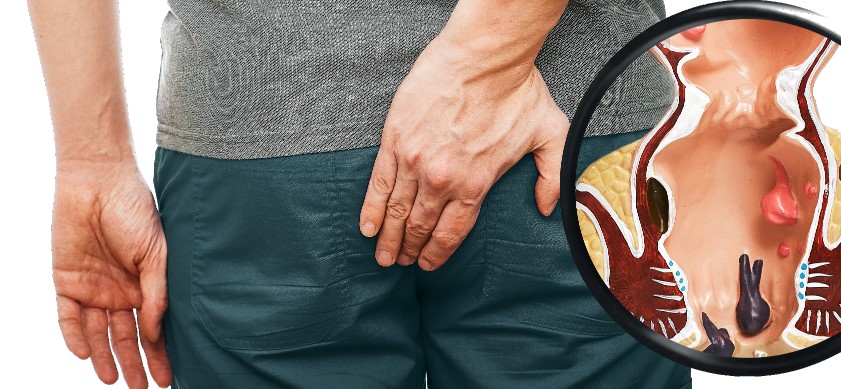
A fistula is a defective linkage of two organs of the body like intestine to skin or organs. The most common ones are anal fistulas which could be the result of infections of the anal glands, trauma, or post-surgical complications. Fistulas might result in infections, pain, and discomfort when left untreated.
Fistula Treatment Procedure
Fistula Specialist in Pune, PCMC Dr. Shrikant Kurhade follows a precise and patient-focused approach to ensure effective healing and prolonged relief.
- Consultation & Assessment : The evaluation begins by a thorough examination of your symptoms, medical history and previous treatments in order to know the nature of the fistula.
- Advanced Diagnostics : To map the fistula accurately and plan to treat it, modern imaging techniques are applied and include MRI Fistulogram and Endoanal Ultrasound.
- Personalized Treatment Plan : Depending on the type and complexity of the fistula, an individual approach is developed which includes:
- Surgical Options :
- Fistulotomy : Pertaining to natural healing through opening the tract.
- Seton Placement : Draining complex fistulas.
- Laser Fistula Surgery : Minimally invasive and accurate.
- Fibrin Glue or Plug Therapy : Non-surgical alternatives to certain cases.
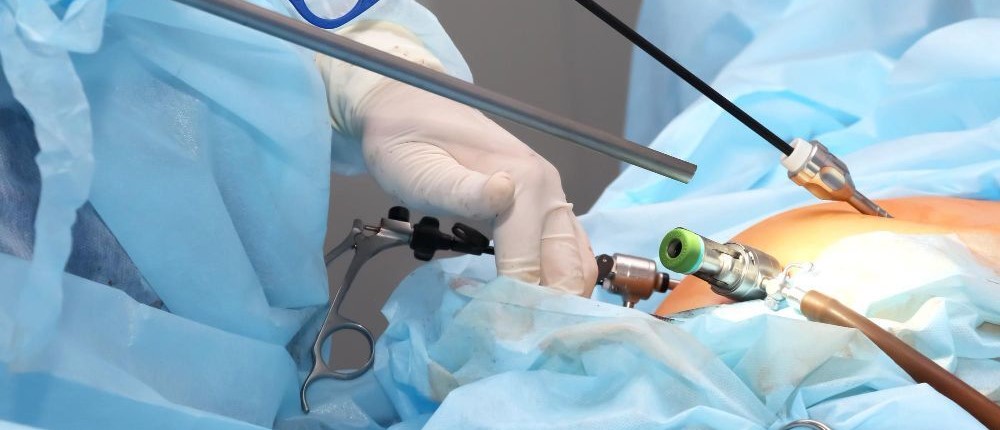
- Surgical Procedure : Our specialist is able to carry out the procedure very accurately and save healthy tissue and reduce pain, scarring and recovery.
- Post-Operative Care : We give specific guidelines on wound care and diet, hygiene, pain management and infection control measures.
- Follow-Up & Prevention : Follow-ups are conducted regularly to promote proper healing, prevent recurrence, and give instructions on the long term anal health.
Types of Fistulas We Treat
With best Fistula Treatment in Pune, PCMC, we treat various types of fistulas with accurate diagnosis and appropriate medical or surgical care to ensure effective healing.
- Anal Fistula : Anal Fistula is a defect involving the anal canal uniting with the peri-anal skin. It tends to form following an infection or abscess and it may result in persistent pain, swelling and discharge in case it is not treated.
- Complex Fistulas : Fistulas that are complex include more than one tract or branch and may be linked with chronic infections or other underlying disease such as Crohn's disease. They are normally treated with complex surgery.
- Perianal Fistula : A Perianal fistula is located around the anus and is usually associated with repeat infections or abscess. It can be painful, itchy or discharge and usually needs surgical treatment.
- Enterocutaneous Fistula : Enterocutaneous Fistula is a wound developed between the intestine and the skin, usually after abdominal surgery. It must be handled cautiously to avoid infection.
Why Choose Us?
- Contemporary Diagnostic and Surgery Advanced Techniques : We apply the most advanced imaging and minimum invasive techniques such as laser assisted operations that provide accurate treatment and quick healing.
- 18+ Years of Expertise : Having years of practice treating fistula cases, Dr. Shrikant Kurhade, Fistula Specialist in Pune, PCMC has managed to treat the fistula cases of thousands of women.
- Personalized Patient Care : Each treatment plan is made to suit the needs of individuals based on comfort, privacy, and the health in the long run.
- High Success Rates and Proven Track Record : Our clinic is one that provides efficient outcomes with low rates of recurrence, which is why it is a reliable option.
Dr. Shrikant Kurhade is one of the trusted Fistula Specialist in Pune, PCMC, directs patients through every step from diagnosis to post-operative recovery — ensuring complete relief and improved quality of life. Our clinic is best fistula care centre; we combine expertise, modern technology, and compassionate care to deliver the best outcomes.
Call or contact us make an appointment with our Fistula Doctor.
FAQ's
Non-surgical interventions such as fibrin glue or plugs can be used to assist in certain cases however surgery is usually the best bet.
It is diagnosed through physical examination, imaging, such as MRI or endoanal ultrasound, and symptom assessment with the purpose of identifying the type and complexity of the fistula.
Fistulas may be prevented by maintaining proper hygiene, treating constipations, and timely infections, which have the potential to reduce their recurrence.
Get Consultation
Fill out the form below to start a conversation with us on WhatsApp.
Get Consultation
Fill out the form below to start a conversation with us on WhatsApp.