Home || Piles Specialist In Pune
What Are Piles?
Piles are a result of excessive pressure on the blood vessels in and around the anus. They become enlarged and can cause pain, bleeding, and obstruction for bowel movements. For specialists to be able to assess your health accurately, you need to know the potential causes of developing piles. Some of them are listed below:
-
Chronic constipation and straining during bowel movements
-
Sitting for long durations and low physical activity
-
Consistent heavy lifting
-
Obesity or a family history of obesity
-
Family history of haemorrhoids
-
Increased pressure on the rectum during pregnancy
A combination of these factors can lead to hemorrhoids. It is not a life-threatening condition in its early stages, but if left unchecked for too long, it can cause significant discomfort and interfere with your daily activities.
What are the different treatment options for Piles Treatment?
To decide on the best treatment for piles, the severity of the condition must first be assessed. For more troublesome cases, a piles doctor may recommend one of the following treatments:
1. Haemorrhoidectomy This is a surgical procedure done under local or general anaesthesia. The pile's tissue is removed, but recovery time is slow.
2. Rubber band ligation This is a minimally invasive procedure mostly prescribed to patients with internal haemorrhoids. A rubber band is tied around the swollen vein which cuts off its blood supply. This causes it to shrink in size and eventually fall off.
3. Laser treatment This is also a minimally invasive procedure that is performed under local or general anaesthesia. A small incision is made near the hemorrhoidal tissue and the laser fibre shrinks it until it is no longer an obstruction. The recovery time for this treatment is short and it significantly reduces pain and bleeding.
4. Medication In very mild cases, doctors for piles treatment may give you topical ointments to reduce discomfort and fiber supplements for easier bowel movements. This is only advisable for very early stages when the hemorrhoid might heal on its own.
Home remedies can only give you symptomatic relief and don't treat the root cause. If you have grade 1 haemorrhoids, you may adopt a temporary solution such as:
-
warm water sitz bath
-
hydrocortisone cream for pain relief
-
psyllium husk to treat constipation
-
making dietary changes and getting more exercisehemorrhoids
Whether you're dealing with the symptoms of piles or seeking preventive care, Dr. Kurhade's expertise as a leading piles specialist in Pune ensures you receive top-notch care. Our clinic is equipped with state-of-the-art facilities, and our team is dedicated to providing compassionate and effective treatment for piles.
What are the symptoms of Piles?
Depending on their location, piles can either be internal or external. The symptoms of both are varied, but they are curable with medical intervention.
Internal hemorrhoids are within the anal canal or the rectum. They may not be visible but could cause bleeding during bowel movements. Some cases tend to protrude out of the anus, causing a ‘prolapse' which will not retract back in.
External hemorrhoids are swollen veins outside the anus. They form on the outside and may cause itching and pain. If you feel lumps around the anal region, consult a piles specialist in Pune to discuss possible treatment plans.
Stages of Piles
They are also categorised based on severity:
Grade 1 piles are inflammations around the anal skin. They are not visible.
Grade 2 piles are larger and may protrude out of the anus during bowel movements.
Grade 3 piles are prolapsed piles and often cause pain.
Grade 4 is where surgery is the only option. They are large and cause the most discomfort.
If you have any unusual symptoms, it is best to keep track of your eating habits and bowel movements as well. Consulting a trusted piles doctor in Pimpri Chinchwad can help identify the issue early and guide you toward the right treatment. Healthcare professionals can better understand your situation and give you an accurate diagnosis based on recurring symptoms.
The cost is based on your personalised plan and the symptoms you are dealing with. If the patient has any underlying conditions that need to be addressed along with the surgery, the cost will change with the course of treatment.
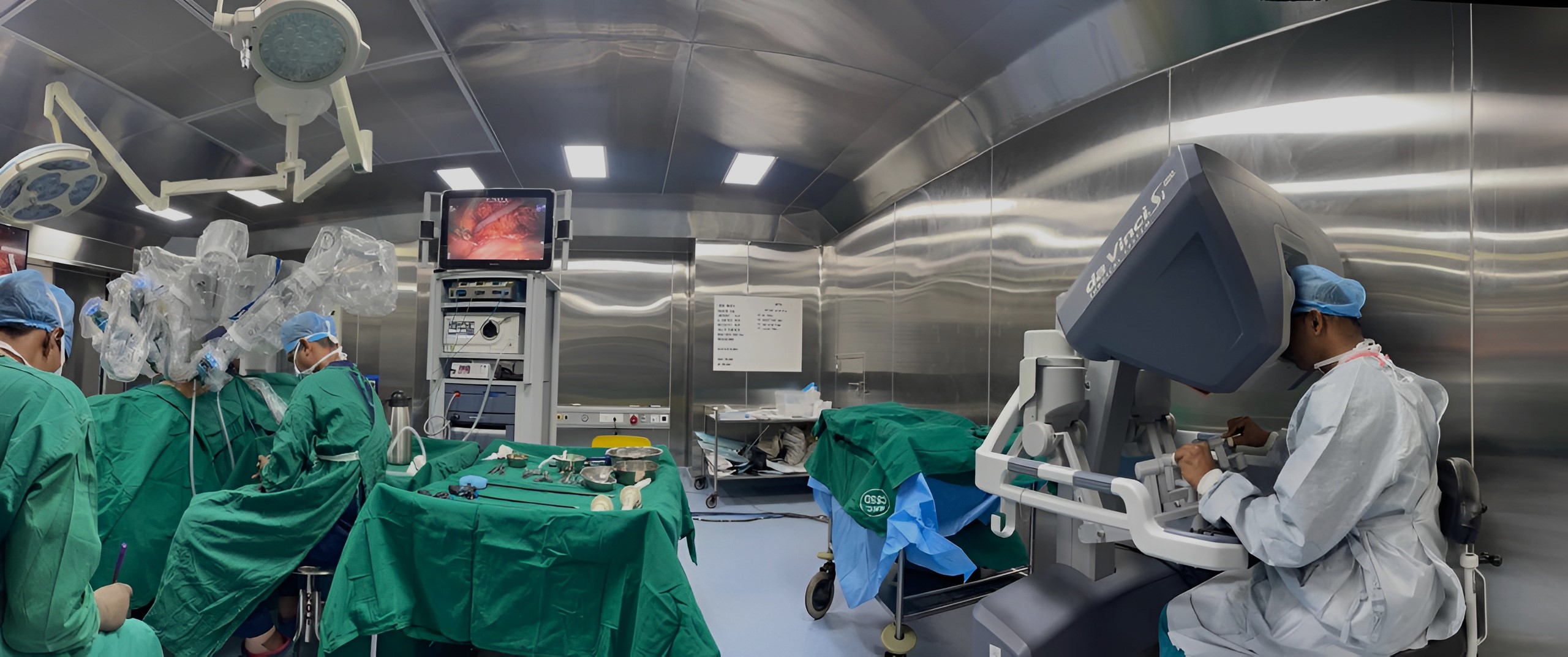
It is ideal to schedule an appointment with our expert Dr. Shrikant Kurhade, he is an experienced Robotic surgeon in Pune at KKCare Hospital. We believe in building trust and giving our patients the best possible experience. So consult a doctor for piles treatment and take a step towards living a more fulfilling life. Contact us now for more information.
Frequently Asked Questions
Common symptoms of piles include itching, pain, and swelling around the anus, as well as bleeding during bowel movements. You might also experience discomfort or a feeling of fullness in the rectal area. If you're experiencing any of these symptoms, it's important to consult a healthcare professional for appropriate treatment.
The best type of doctor is a piles specialist in pune who focuses on conditions of the rectum and anus, such as a colorectal surgeon or a general surgeon with expertise in piles treatment. They are trained to diagnose and provide effective treatment options for piles, including both non-surgical and surgical solutions.
Treatment options for piles include lifestyle changes (such as increased fibre intake and hydration), over-the-counter medications, minimally invasive procedures (like rubber band ligation and sclerotherapy), and surgical interventions (such as hemorrhoidectomy and stapled hemorrhoidopexy). The choice of treatment depends on the severity of the condition and the patient's overall health.
Yes, robotic surgery is an advanced and minimally invasive option for treating piles. Dr. Shrikant Kurhade, a highly skilled doctor specialising piles treatment in pune. Robotic surgery offers greater precision and faster recovery times, making it an excellent choice for many patients.
Foods high in fibre, such as fruits, vegetables, whole grains, and legumes, are beneficial for managing piles. These foods help soften stool and promote regular bowel movements, reducing strain during defecation. Additionally, drinking plenty of water and avoiding spicy or processed foods can also help alleviate symptoms.
Yes, stress can contribute to piles (haemorrhoids) by causing or worsening constipation, which puts additional strain on the rectal veins. This increased pressure can lead to the development or aggravation of piles. Managing stress through relaxation techniques and a balanced lifestyle can help reduce the risk of piles.