Home || What is Bariatric Surgery? Benefits, Risks & Who Should Consider It?
Understanding Bariatric Surgery: A Path Toward Health and Vitality
Obesity is a condition which is not only related to food habits but also connected with metabolism, hormones and genetic factors that affect the body in multiple ways. Many people try diet plans and exercise routines but still face difficulty in achieving long-term weight loss results, as the body tends to maintain its existing pattern and resists sudden changes.
We are providing an advanced approach of bariatric surgery which is specifically designed to support weight loss by improving body functions under controlled medical conditions. This procedure is carried out using modern techniques and planned medical protocols that help in reducing excess weight in a safe and structured manner. The approach is developed with a focus on improving metabolism, controlling hunger signals and enhancing overall health outcomes. Patients who follow proper medical guidance often achieve long-lasting results and improved quality of life.
As a surgeon working in minimally invasive and robotic surgery, I have observed that this treatment is not just about weight reduction but about restoring health, improving confidence and helping patients return to a more active lifestyle.
What is Bariatric Surgery?
Bariatric surgery is a group of surgical procedures which are specially designed to reduce stomach capacity and manage calorie absorption in a controlled way. These procedures are performed using advanced surgical systems that ensure precision, safety and faster recovery.
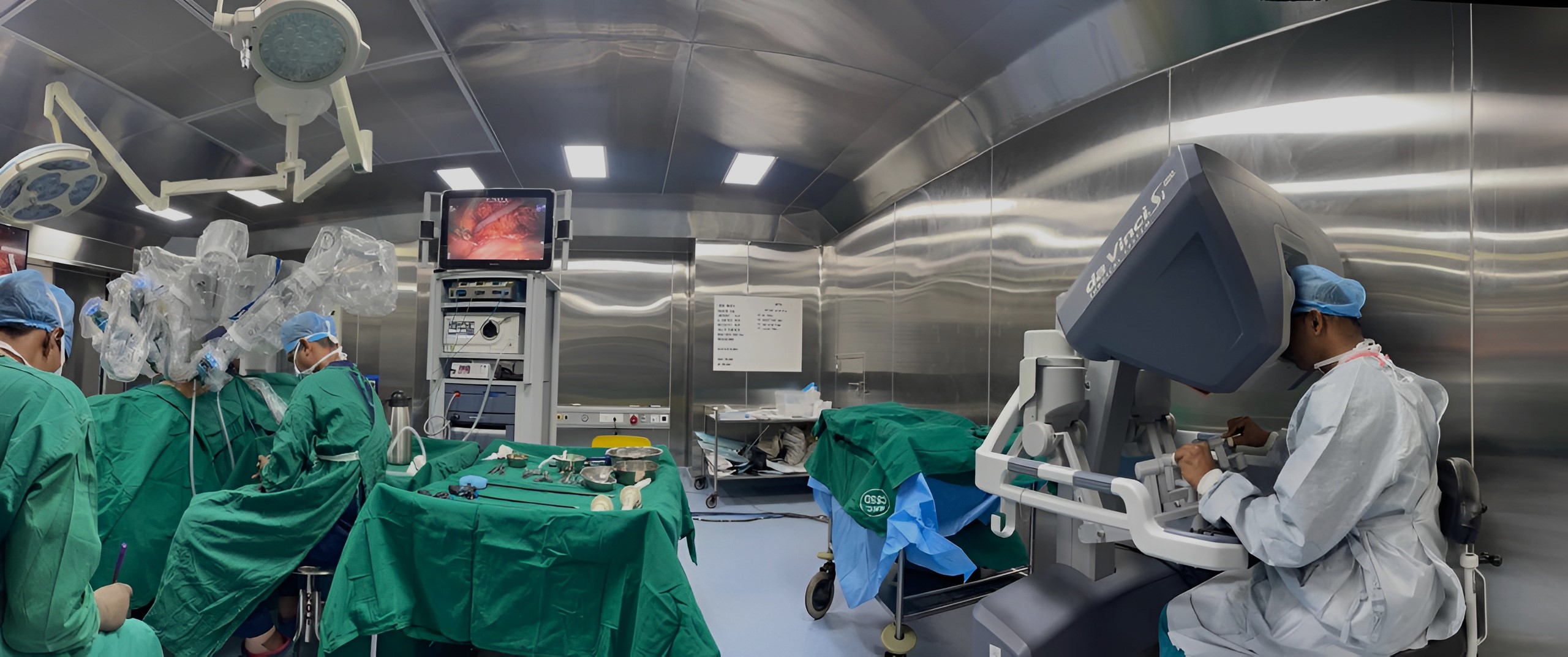
We are offering surgical solutions which are planned according to patient condition and are performed using modern laparoscopic and robotic technologies. These techniques are developed with advanced instruments and supported by high-definition visualization systems that help in performing surgery with accuracy. The process includes advantages such as minimal cuts, reduced pain and quicker healing, making the overall experience smoother for patients.
This treatment works by limiting food intake, adjusting digestion process and regulating hormones that control hunger and blood sugar levels.
The Evolution of Surgery: Why Robotic-Assisted Techniques Matter?
Robotic surgery is a system which is specially designed to improve surgical precision and control during complex procedures. The technology is developed with advanced robotic arms, 3D imaging and flexible instruments that allow better movement and accuracy inside the body.
- Better Vision: The system provides clear and magnified 3D vision which helps in identifying delicate structures properly.
- Greater Control: The instruments offer flexible movement which supports better control compared to traditional methods.
- Quicker Recovery: The technique reduces stress on the body which supports less pain and faster recovery.
We are using robotic-assisted techniques which are built with modern surgical advancements that ensure safe procedures, efficient results and improved patient comfort. Such systems support reduced complications and better surgical outcomes.
Types of Bariatric Surgery
Choosing the right procedure depends on a patient's Body Mass Index (BMI), medical history, and weight-loss goals. Here are the most common methods we perform:
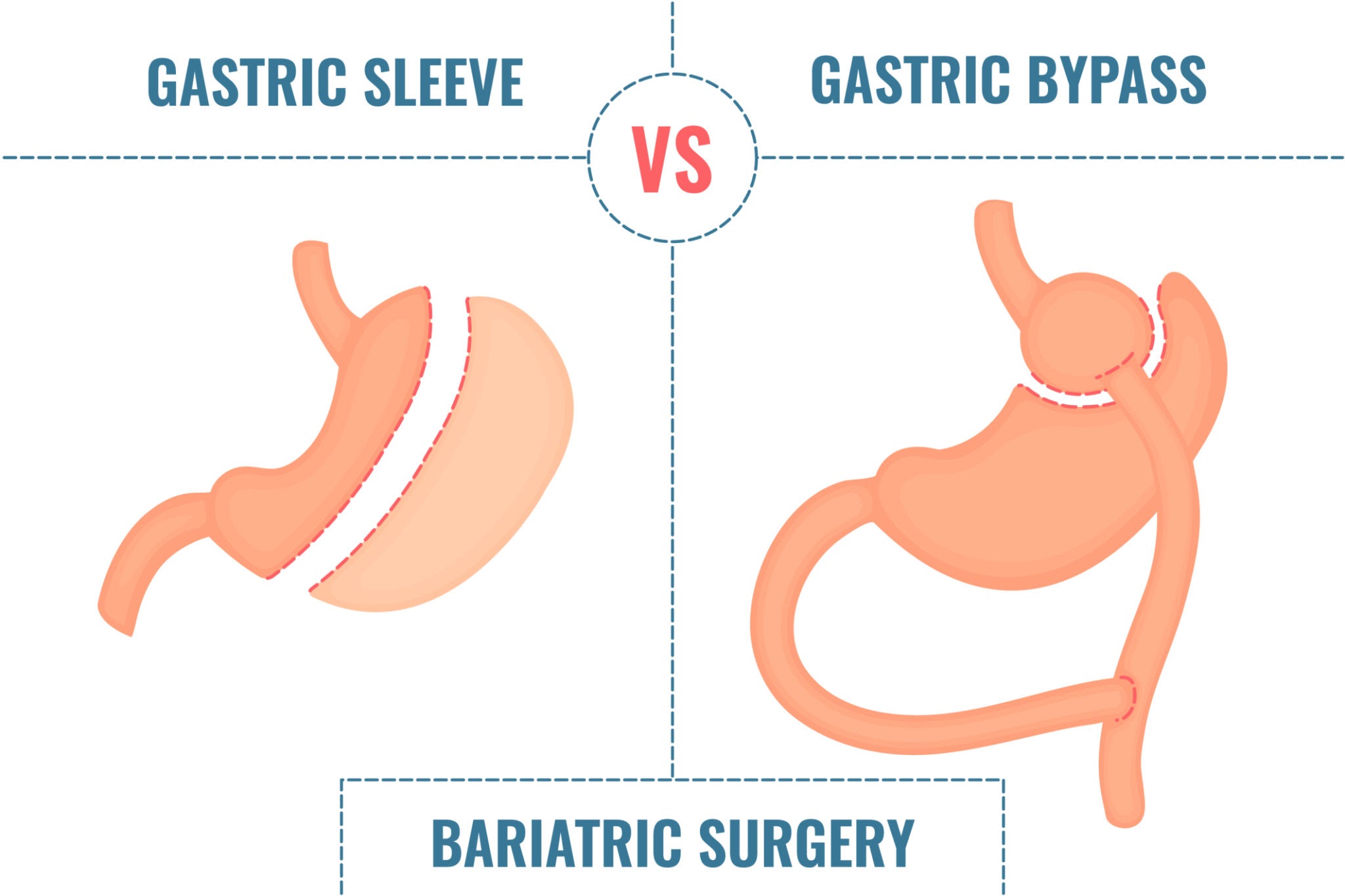
1. Gastric Sleeve (Sleeve Gastrectomy)
This procedure is designed to remove a major portion of the stomach and convert the remaining part into a small tube-like structure. The design helps in limiting food intake and reducing hunger hormone production.
- Supports natural reduction in appetite
- Helps achieve steady and long-term weight loss
- Performed using minimally invasive techniques for faster recovery
2. Gastric Bypass (Roux-en-Y)
This procedure is structured to create a small stomach pouch and connect the pouch directly to the small intestine. The process helps in reducing both food intake and calorie absorption.
- Supports improved control of blood sugar levels
- Helps in significant weight reduction
- Considered a reliable option for long-term weight-loss treatment
3. Mini Gastric Bypass (MGB)
This procedure is developed as a simpler and faster alternative to traditional gastric bypass. The process involves fewer surgical connections and provides effective metabolic results.
- Supports shorter surgery duration
- Helps achieve effective weight loss results
- Suitable for patients with diabetes conditions
The Health Benefits: Beyond the Scale
While the visible change in appearance is significant, the primary goal of bariatric surgery is the resolution of comorbidities (obesity-related health conditions).
- Type 2 Diabetes Remission: Many patients experience a near-immediate normalization of blood sugar levels, often reducing or eliminating the need for insulin.
- Cardiovascular Health: Significant weight loss reduces the strain on the heart, lowers blood pressure, and improves cholesterol levels.
- Obstructive Sleep Apnea: Losing weight can eliminate the fatty deposits in the neck that block airways, allowing patients to stop using CPAP machines.
- Joint Pain Relief: Carrying excess weight puts immense pressure on the knees and lower back. Surgery often provides a "new lease on life" for physical mobility.
- Polycystic Ovary Syndrome (PCOS): For women, weight loss can regulate hormones and improve fertility.
Risks and Considerations
Bariatric surgery is a medical procedure which is planned carefully to ensure patient safety, but certain risks should always be understood properly.
We are ensuring that all procedures are performed under controlled medical conditions with proper pre-surgical evaluation and post-surgical care. The planning is designed to reduce risks by using advanced techniques and experienced surgical support.
- The procedure may lead to nutritional deficiencies which require regular supplementation.
- The condition may cause digestive changes such as dumping syndrome in some patients.
- The procedure includes general surgical risks like infection or blood clots.
Patients are advised to follow medical guidance, maintain diet discipline and attend regular follow-ups for better outcomes.
Who Should Consider Bariatric Surgery?
Bariatric surgery isn’t for someone looking to lose "vanity pounds." It is a clinical intervention for those who meet specific criteria:
- BMI Threshold: Suitable for patients with BMI above 40 or above 35 along with associated health conditions.
- Failed Weight Loss Attempts: Recommended for individuals who have not achieved desired results through diet and exercise.
- Mental Readiness: Patients must be prepared to make permanent lifestyle changes in diet and physical activity.
About Dr. Shrikant Kurhade
Dr. Shrikant Kurhade is a distinguished General and Laparoscopic Surgeon, widely recognized as one of the leading Bariatric Surgeons in Pune. With extensive experience in Gastrointestinal (GI), Bariatric, Colorectal, and advanced Gastro surgeries, he has developed exceptional expertise in Robotic Surgery. His proficiency in minimally invasive techniques makes him a preferred choice for patients seeking safe, effective, and modern surgical care. He is also well-known for his excellence in treating conditions such as hernia and piles, earning him a strong reputation across Pune and PCMC.
As a senior consultant in Laparoscopic, GI, Bariatric, and Robotic Surgery, Dr. Kurhade is committed to delivering high-quality treatment with precision and patient safety at the core. His approach combines cutting-edge surgical technology with compassionate, patient-focused care to ensure the best possible outcomes. With well-equipped centers located in Alandi, Pimpri, and Aundh, patients have access to advanced medical infrastructure and comprehensive surgical services. His dedication to clinical excellence and personalized care has made him a trusted and respected name in the field of surgery.
Life After Bariatric Surgery: The Commitment
The surgery is only the beginning. To maintain results, patients must follow a structured post-operative plan:
- Phase 1: The plan begins with a liquid diet phase to support stomach healing.
- Phase 2: This process gradually shifts to soft and solid foods under proper guidance.
- Phase 3: The routine includes a balanced diet plan with high nutritional value.
- Exercise: Incorporating regular movement is essential to prevent muscle loss and maintain metabolic rate.
Final Thoughts
Obesity can feel overwhelming, and for many people, losing weight on their own becomes very difficult. Bariatric surgery—especially when done using advanced robotic technology—can act as a strong support system, helping you move toward a healthier life in a safe and effective way.
If you or someone in your family is struggling with weight and related health problems, it’s important to seek the right guidance. At our clinics in Alandi, Pimpri, and Aundh, we focus not just on surgery, but on supporting you throughout your health journey. With the right care and a clear plan, taking the first step can lead you toward a more active, confident, and healthier life.
Frequently Asked Questions
Yes, provided the patient adheres to lifestyle changes. The surgery provides the metabolic "reset," but the patient provides the daily discipline.
With robotic and laparoscopic techniques, most patients are discharged within 2 to 3 days.
This depends on the amount of weight lost and individual skin elasticity. Many patients find that regular exercise helps, while some opt for body-contouring procedures later.
Yes, though it is usually recommended to wait 12 to 18 months until your weight stabilizes to ensure a healthy pregnancy.