Home || Hernia & Laparoscopic Surgery: Complete Guide
Hernia & Laparoscopic Surgery: Complete Guide to Symptoms, Treatment & Recovery
A hernia is one of the most common surgical conditions affecting people of all age groups. Although it may initially appear as a small swelling or mild discomfort, delaying treatment can lead to severe complications that require emergency surgery. Understanding the symptoms, causes, treatment options, and recovery process is essential for making informed healthcare decisions.
A highly regarded General and Laparoscopic Surgeon, Dr. Shrikant Kurhade is recognized as one of the leading Bariatric Surgeons in Pune, with extensive expertise in Gastrointestinal (GI), Bariatric, Colorectal, and Gastro Surgery. As a senior consultant in Laparoscopic, GI, Bariatric, and Robotic Surgery, he provides advanced, patient-centric care backed by best facilities at our centers in Alandi, Pimpri, and Aundh.
At Dr. Shrikant Kurhade Clinic, we believe in providing accurate diagnosis, personalized treatment plans, and advanced minimally invasive surgical care to help patients return to their normal lives with confidence. Our focus is not only on treating the hernia but also on ensuring faster recovery, minimal discomfort, and long-term results through modern laparoscopic and robotic surgical techniques.
What Is a Hernia?
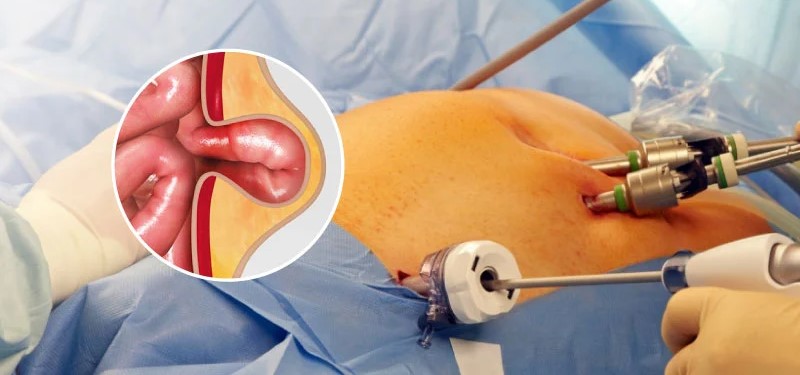
A hernia occurs when an internal organ or fatty tissue pushes through a weak area in the surrounding muscle or connective tissue. This weakness allows part of the intestine or abdominal tissue to protrude, creating a visible bulge that may become painful during physical activity.
How Does a Hernia Develop?
A hernia usually develops because of increased pressure inside the abdomen combined with weakened muscles. Over time, this pressure causes tissues to push through the weakened area.
Common Types of Hernia
- Inguinal Hernia – Most common type, especially in men, occurring in the groin.
- Femoral Hernia – More common in women and develops near the upper thigh.
- Umbilical Hernia – Appears around the belly button.
- Incisional Hernia – Develops at the site of a previous abdominal surgery.
- Hiatal Hernia – Occurs when part of the stomach moves into the chest through the diaphragm.
Hernia Symptoms in Men and Women
The symptoms of hernia may vary depending on its type and severity.
Common Symptoms
- Visible swelling or lump
- Pain while coughing or lifting
- Heaviness in the abdomen
- Burning or aching sensation
- Pressure in the groin
Differences in Men and Women
1. Men
- Groin swelling
- Testicular discomfort (in inguinal hernia)
- Pain during physical activities
2. Women
- Pelvic discomfort
- Femoral hernias causing pain in the upper thigh
- Symptoms may sometimes resemble gynaecological conditions
Warning Signs
Seek immediate medical attention if you experience:
- Sudden severe pain
- Redness over the swelling
- Nausea and vomiting
- Fever
- Hernia becoming hard or non-reducible
These symptoms may indicate a strangulated hernia, which is a surgical emergency.
Early Signs of Hernia You Should Never Ignore
Many patients ignore the initial symptoms until the condition worsens.
Early signs include:
- Small bulge while standing
- Pain during heavy lifting
- Burning sensation
- Groin discomfort
Early diagnosis allows timely treatment before complications develop.
Causes of Hernia and How to Prevent It?
Several factors increase the risk of developing a hernia.
Common Causes
- Heavy lifting without proper technique
- Obesity
- Chronic cough
- Pregnancy
- Chronic constipation
- Previous abdominal surgery
- Age-related muscle weakness
- Family history
Prevention Tips
- Maintain a healthy body weight.
- Avoid lifting excessive weights.
- Treat chronic cough promptly.
- Eat a fibre-rich diet to prevent constipation.
What Happens If a Hernia Is Left Untreated?
Ignoring a hernia does not make it disappear. Instead, it generally progresses over time.
Possible complications include:
- Gradual enlargement
- Increasing pain
- Intestinal obstruction
- Strangulated hernia
- Emergency surgery with higher risks
Early surgical treatment significantly reduces these complications and improves recovery outcomes.
Best Treatment Options for Hernia
Treatment depends on the type, size, symptoms, and overall health of the patient.
- Watchful Waiting: Suitable only for selected patients with very small and symptom-free hernias under regular medical supervision.
- Open Hernia Surgery: A traditional procedure involving a larger incision to repair the weakened muscle.
- Laparoscopic Hernia Surgery: A minimally invasive procedure performed using tiny incisions, specialized instruments, and a high-definition camera, resulting in quicker recovery and less discomfort.
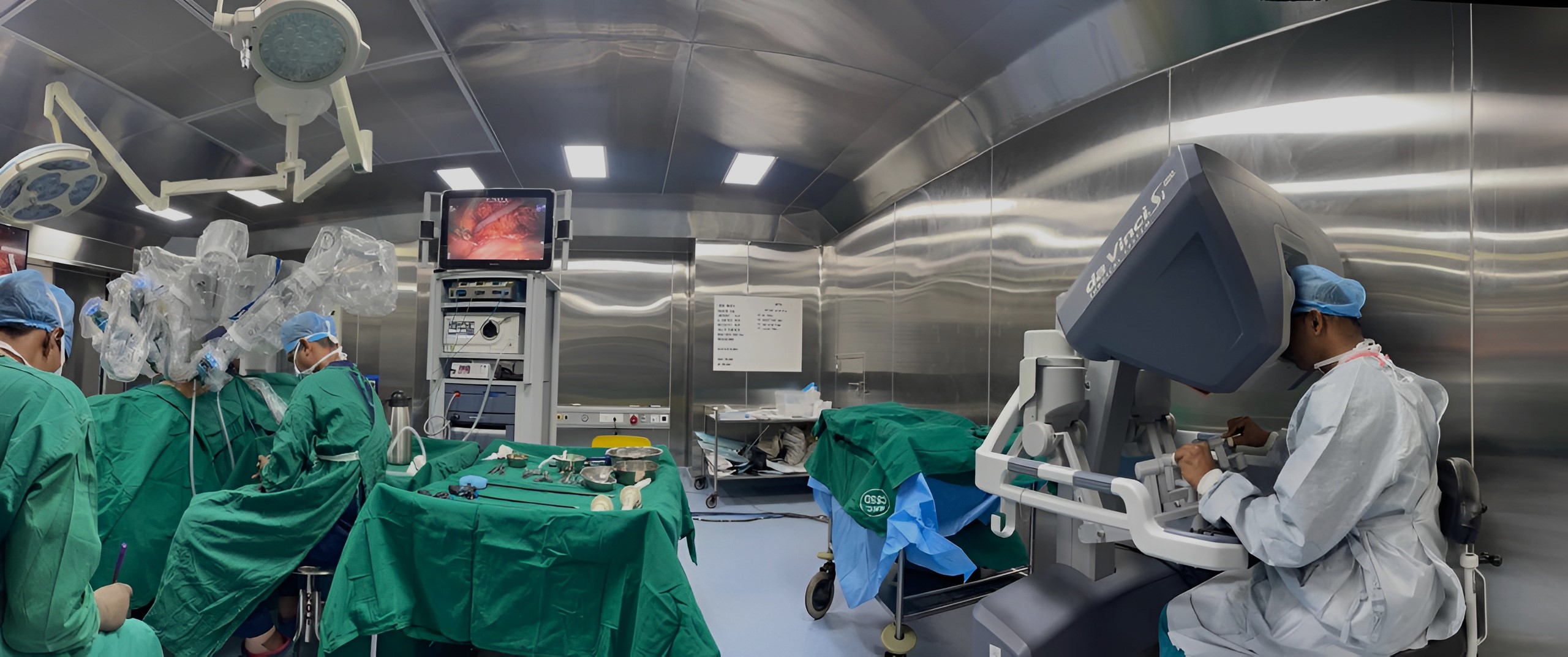
- Robotic Hernia Surgery: For selected patients, robotic-assisted surgery offers enhanced precision, improved visualization, and greater surgical accuracy.
At our clinic, every treatment plan is customized after thorough clinical evaluation to ensure the safest and most effective outcome.
What Is Laparoscopic Surgery?
Laparoscopic surgery is an advanced minimally invasive surgical technique that allows surgeons to perform complex procedures through small incisions.
The procedure involves:
- Small keyhole incisions
- Camera-guided visualization
- Specialized laparoscopic instruments
- Precise tissue handling
- Faster healing
Laparoscopic Hernia Repair vs. Open Surgery
| Laparoscopic Surgery | Open Surgery |
| Small incisions | Larger incision |
| Less pain | More post-operative discomfort |
| Faster recovery | Longer healing time |
| Minimal blood loss | Higher blood loss |
| Smaller scars | Larger scar |
| Lower infection risk | Slightly higher infection risk |
| Earlier return to work | Longer recovery period |
Why Minimally Invasive Surgery Is Preferred Today?
Modern surgical techniques provide several advantages over conventional procedures.
Benefits include:
- Less post-operative pain
- Minimal bleeding
- Smaller scars
- Reduced infection risk
- Shorter hospital stay
- Faster return to daily activities
- Quicker recovery
What Happens During Laparoscopic Hernia Surgery?
The procedure is carefully planned to ensure safety and precision.
Step 1: Anaesthesia
The patient receives general anaesthesia for a comfortable and pain-free procedure.
Step 2: Small Incisions
Tiny incisions are made in the abdomen.
Step 3: Camera Insertion
A laparoscope with a high-definition camera provides a clear view of the affected area.
Step 4: Hernia Repair
The protruding tissue is gently repositioned into its normal anatomical position.
Step 5: Mesh Placement
A surgical mesh is placed to strengthen the weakened abdominal wall and reduce recurrence.
Step 6: Closing the Incisions
The small incisions are closed using sutures or surgical adhesive.
How Long Does Hernia Surgery Recovery Take?
Recovery varies depending on the patient's health and the type of surgery.
First 24 Hours
- Walking is encouraged.
- Mild discomfort is normal.
- Most patients are discharged the same day or within 24 hours.
First Week
- Resume light daily activities.
- Continue prescribed medications.
- Keep the surgical site clean.
2–4 Weeks
- Most patients return to office work.
- Gradual increase in activity.
Exercise Timeline
- Light walking immediately
- Moderate exercise after medical clearance
- Heavy lifting avoided for approximately 4–6 weeks or as advised by the surgeon
Following post-operative instructions carefully supports smooth healing and reduces the risk of complications.
Foods to Eat After Hernia Surgery
Proper nutrition supports faster healing.
Recommended Foods
- High-protein foods such as eggs, paneer, fish, lean chicken, and lentils
- Fresh fruits rich in vitamins
- Green leafy vegetables
- Fibre-rich cereals and whole grains
Foods to Avoid
- Oily and fried foods
- Excessively spicy meals
- Carbonated drinks
- Processed foods
- Alcohol during recovery
When Should You See a Hernia Surgeon?
Consult a hernia specialist if you experience:
- Persistent pain
- Increasing swelling
- Visible abdominal or groin bulge
- Nausea or vomiting
- Redness around the swelling
- Fever
Why Choose Dr. Shrikant Kurhade Clinic for Hernia & Laparoscopic Surgery?
Choosing the right surgical team plays a vital role in achieving successful outcomes. At our clinic, we combine advanced technology with compassionate care to deliver safe and effective hernia treatment.
What makes us different?
- Experienced expertise in General, GI, Laparoscopic, Bariatric, Colorectal, and Robotic Surgery
- Advanced minimally invasive surgical techniques
- Personalized treatment plans based on individual patient needs
- Comprehensive pre-operative evaluation and post-operative follow-up
- Focus on patient safety, precision, and faster recovery
- Centres conveniently located in Alandi, Pimpri, and Aundh
Our commitment is to provide every patient with evidence-based surgical care, transparent communication, and a comfortable treatment experience.
At Dr. Shrikant Kurhade Clinic, we are committed to delivering comprehensive hernia care through accurate diagnosis, advanced minimally invasive techniques, and personalized treatment plans. With experienced surgical expertise, modern infrastructure, and a patient-first approach, we strive to ensure every individual receives safe, effective, and compassionate care from consultation through recovery. If you notice symptoms of a hernia or have concerns about abdominal swelling or discomfort, seeking an early surgical evaluation is the first step toward a healthier and more comfortable future.
Frequently Asked Questions (FAQs)
No. A hernia does not heal on its own. Surgery is the definitive treatment for most symptomatic hernias.
Most patients experience significantly less pain compared to open surgery, and discomfort is usually manageable with prescribed medications.
The procedure generally takes about 45 minutes to 2 hours, depending on the complexity of the hernia.
Recurrence is uncommon when the repair is performed using appropriate surgical techniques and patients follow post-operative instructions.
Modern surgical mesh is widely used and is considered safe for most patients when selected and placed appropriately by an experienced surgeon.
Driving is usually possible after about one week, provided you are comfortable, no longer taking strong pain medication, and your surgeon has advised it is safe.
Light walking can begin soon after surgery. More strenuous exercise should only be resumed after clearance from your surgeon, typically over the following weeks depending on your recovery.
Many health insurance policies cover medically necessary hernia surgery, but coverage depends on your insurer and policy terms.