Home || Laparoscopic Surgery
Laparoscopic Hernia Treatment in Pune, India
When an internal organ or other body component protrudes through the muscle or tissue wall that typically surrounds it, it is called a hernia. The majority of hernias develop between the chest and the hips, in the abdominal cavity. Although most hernias aren't life-threatening, they don't go away on their own. They may require surgery to avoid serious complications. Dr. Shrikant Kurhade is one of the best Hernia Specialist in Pune, provides complete Hernia Treatment in Pune and Pimpri Chinchwad.
What is HERNIA?
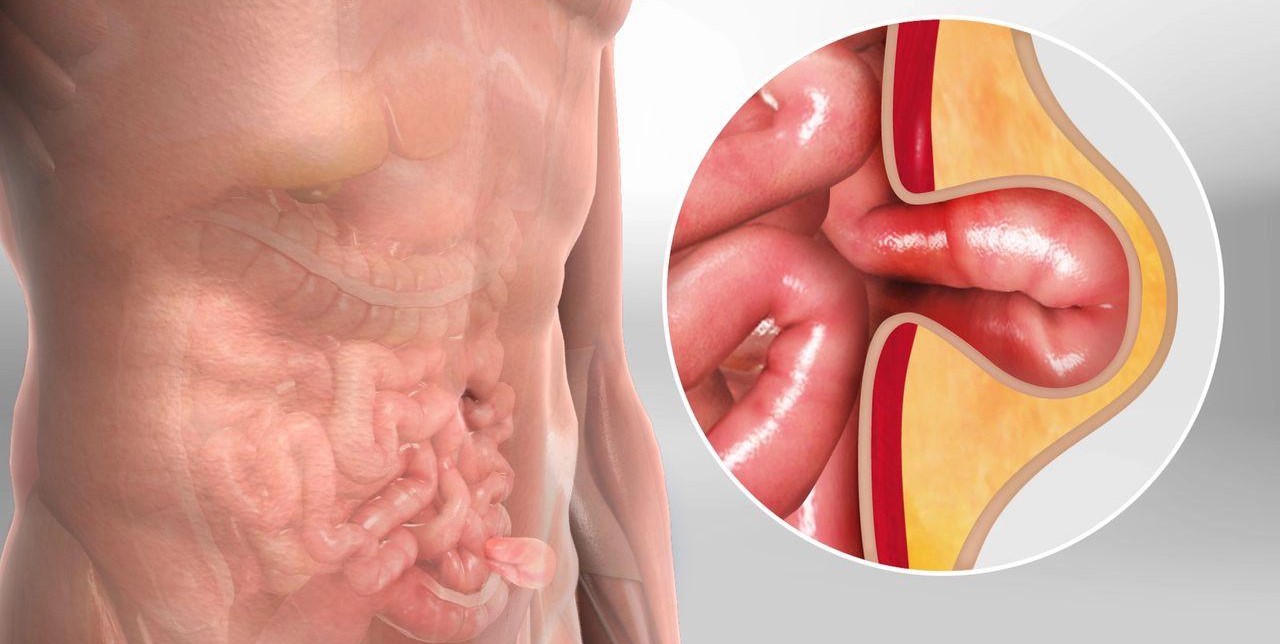
A hernia occurs when the inside layers of the abdominal wall weaken and then bulge or tear. In the same way an inner tube pushes through a damaged tire, the inner lining of the abdomen pushes through the weakened area to form a balloon-like sac. This, in turn, can cause a loop of intestine or abdominal tissue to slip into the sac, causing severe pain and other potentially serious health problems.
Advantages
-
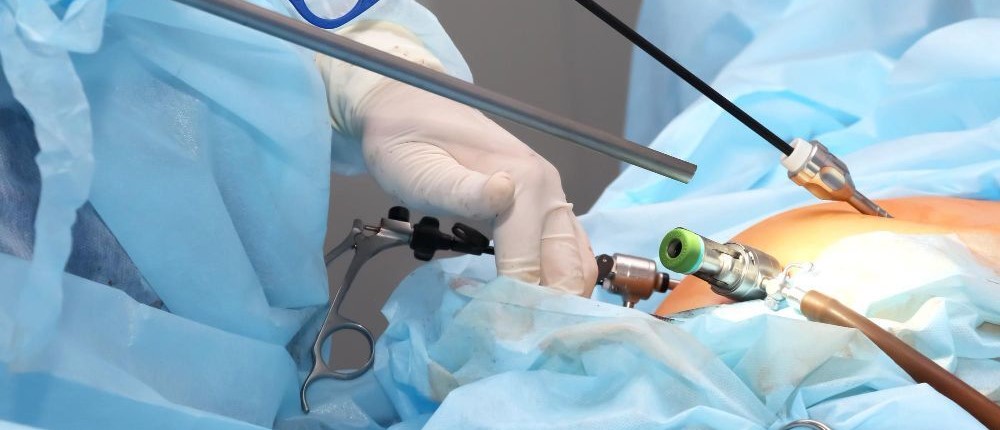
Requires only 3 or 4 tiny openings
-
Heal faster
-
Much less postoperative pain
-
Earlier return to work
We're Providing Best Services To Our Patients
-
Pune’s most advanced laparoscopic system with best results
-
5000+ Surgeries
-
Hernia with Advanced Mesh
Frequently Asked Questions
Inguinal and femoral hernias are caused by weakened muscles that might be present from birth or develop as a result of age and frequent stresses on the abdomen and groin regions. Physical exercise, weight, pregnancy, regular coughing, or straining on the toilet due to constipation can all cause strain. Adults can develop an umbilical hernia by straining their abdominal muscles, being overweight, coughing for a long time, or giving birth. Hiatal hernias are not completely understood, however, they may be caused by a weakening of the diaphragm with age or strain on the abdomen.
A hernia in the belly or groin can cause a lump or bulge in the abdomen or groin that can be pushed back in or disappear when lying down. After the lump has been pushed in, laughing, sobbing, coughing, straining during a bowel movement, or physical activity may cause it to reappear. Other signs and symptoms of a hernia include:
-
Increased pain at the site of the bulge.
-
Pain while lifting.
-
A dull aching sensation.
-
Increase in the bulge size over time.
-
A sense of feeling full or signs of bowel obstruction.
-
Swelling or bulge in the groin or scrotum
Inguinal hernia The spermatic cord and blood arteries going to the testicles pass via the inguinal canal in males. The circular ligament that supports the womb is seen in the inguinal canal in women. In an inguinal hernia, fatty tissue or a section of the intestine protrudes from the top of the inner thigh into the groin. This is the most common form of hernia, and males are more likely than women to have it.
Umbilical hernia Near the navel, fatty tissue or a part of the intestine pushes through the abdomen (belly button).
Hiatal (hiatus) herniaThrough a hole in the diaphragm, a part of the stomach rises into the chest cavity (the horizontal sheet of muscle that separates the chest from the abdomen).
Femoral hernia At the top of the inner thigh, fatty tissue or a portion of the intestine protrudes into the groin. Femoral hernias are far less prevalent than inguinal hernias, and they mostly afflict women in their later years.
Epigastric hernia Between the navel and the lower section of the sternum, fatty tissue protrudes through the abdominal region (breastbone).
Incisional hernia Tissue from a distant abdominal or pelvic procedure protrudes through an abdominal scar.
Diaphragmatic hernia Organs in the abdomen pass through a diaphragm opening into the chest.
Spigelian hernia The intestine pushes through the abdomen below the navel, on the side of the abdominal muscle.
A bulge in the area where a hernia has developed may generally be seen or felt during a physical examination. Your hernia specialist in Pune feels the area around the testicles and groin while the patient coughs as part of a normal physical exam for inguinal hernias in men. Soft-tissue imaging, such as a CT scan, can sometimes effectively detect the illness.
We at Dr Kurhade's best hernia spcialialist clinic provides laparoscopic treatment with state of art facility in Pune. A 3- to 5-inch incision is made through several layers of skin, fatty tissue and muscle to reveal the hernial sac. The incision is made on an angle just above the line where the abdomen meets the thigh. The most important part of the surgical repair involves removal of the hernial sac and closure of the opening in the inguinal canal. This closure is accomplished by sewing the edges of the remaining tissue together after the hernial sac is removed or by attaching a mesh patch to the outside of the abdominal wall just beneath the layer of muscle.
Dr Shrikant Kurhade -
MBBS, MS Surgery (GMC, Mumbai) Fellowship of National
Board-FNB-MAS FMAS, FIAGES, FALS - Robotic Surgery, Consultant laparoscopic, endoscopic
and Robotic surgeon
Dr Shrikant Kurhade is considered as one of the best General and Laparoscopic Surgeon and he is also known as one of the best Bariatric Surgeon in Pune. Dr Shrikant Kurhade has expertise as a GI, Robotic, colorectal, Hernia and gastro surgeon and is a reputed Bariatric Surgeon and Piles specialist in PCMC and Pune city. He has expertise in managing large and recurrent hernias with Abdominal Wall Reconstruction techniques. He is expert in piles treatment, with special interest in stapler and Laser surgery.
-
Practicing since 2011 in Pune
-
He has perform various laparoscopic & complicated surgeries of Hernia
-
Our centres available at Alandi, Charholi & Pimple Saudagar